When a Hand Injury Becomes a Functional Emergency
The hand is not just skin, bone, tendon, and nerve.
It is a functional organ system.
Severe hand trauma can involve crush injury, tendon disruption, nerve transection, vascular compromise, exposed bone, amputation, joint instability, and soft tissue loss in the same injury.
In these cases, the question is not only whether the wound can be closed.
The question is whether the hand can recover motion, sensation, grip, pinch, dexterity, durability, and useful function.
SouthFloridaHandTrauma.com is a focused educational and referral landing page for complex hand trauma managed through Plastic Surgery Trauma Associates within a Level I trauma-center reconstructive framework.
Catastrophic Hand Injury Reconstruction
Catastrophic hand injury is defined by combined structural loss.
- Tendon laceration or tendon loss
- Peripheral nerve transection
- Segmental nerve defect
- Fracture or joint instability
- Exposed bone or hardware
- Crush or avulsion injury
- Vascular compromise
- Traumatic amputation
- Skin and soft tissue loss
- Failed prior repair or reconstruction
In complex hand injury, closure alone is not reconstruction.
Durable recovery depends on restoring the structures that allow the hand to move, feel, grip, and function.
Why Early Hand Trauma Escalation Matters
Early evaluation preserves options.
Delay narrows them.
In high-energy hand trauma, tissue viability may evolve over hours to days. Tendons may retract. Nerves may scar. Joints may stiffen. Soft tissue may declare itself. Contamination and crush injury may change the timing of definitive repair.
- Immediate operative exploration
- Vascular assessment
- Tendon repair
- Nerve repair or grafting
- Bone or joint stabilization
- Soft tissue flap coverage
- Replantation evaluation
- Staged reconstruction
- Specialized hand therapy coordination
A hand injury that appears initially manageable may become far more difficult if the reconstructive sequence is missed.
Tendon, Nerve, Bone, and Soft Tissue Must Be Planned Together
Complex hand reconstruction is sequence-dependent.
The repair of one structure affects the others.
A tendon repair cannot function without a gliding surface and therapy plan.
A nerve repair requires a protected, vascularized bed.
A fracture fixation may fail if soft tissue coverage is unstable.
A flap reconstruction must support future motion, therapy, and function.
- Tendon repair or reconstruction
- Peripheral nerve repair, grafting, or staged reconstruction
- Skeletal stabilization
- Joint preservation
- Vascular repair when indicated
- Local, regional, or free flap coverage
- Scar and contracture prevention
- Hand therapy and splinting protocols
- Secondary functional reconstruction
The objective is not a healed wound.
The objective is a usable hand.
Peripheral Nerve Injury in Hand Trauma
Nerve injury changes the stakes.
Loss of sensation, motor function, protective feedback, and coordinated hand use can permanently alter recovery.
- Clean nerve transection
- Segmental nerve loss
- Crush-associated nerve disruption
- Delayed nerve deficit after trauma
- Combined tendon and nerve injury
- Failed prior nerve repair
- Neuroma or painful nerve dysfunction
- Functional deficit after complex hand trauma
Nerve reconstruction may include direct repair, grafting, conduit-assisted repair, acellular nerve allograft when appropriate, or staged reconstruction depending on the zone of injury and tissue condition.
Timing, tension, perfusion, and soft tissue quality matter.
Traumatic Amputation and Replantation Assessment
Traumatic amputation requires immediate trauma-system coordination.
Life over limb remains the first principle.
When the patient is physiologically appropriate and the amputated part is potentially viable, replantation or revascularization may be considered.
- Level of amputation
- Ischemia time
- Mechanism of injury
- Crush or avulsion burden
- Contamination
- Vessel condition
- Patient physiology
- Expected functional value
- Rehabilitation feasibility
Replantation is not one operation.
It is a sequence involving vascular repair, skeletal stabilization, tendon repair, nerve repair, soft tissue coverage, monitoring, and specialized rehabilitation.
Crush, Avulsion, and Industrial Hand Injury
Industrial and high-energy hand trauma often produces tissue damage beyond the visible wound.
- Skin and subcutaneous tissue
- Tendons
- Digital nerves
- Arteries and veins
- Bone and joints
- Nail bed and fingertip structures
- Muscle and intrinsic hand function
These injuries may require staged reconstruction because tissue viability is not always clear at the first operation.
The reconstructive plan must account for contamination, perfusion, tissue loss, exposed structures, and future rehabilitation.
Functional Restoration After Hand Trauma
Hand trauma reconstruction does not end in the operating room.
Functional recovery depends on coordinated rehabilitation.
- Tendon glide preservation
- Splinting
- Edema control
- Scar modulation
- Joint motion
- Sensory re-education
- Strength recovery
- Protection of nerve and tendon repairs
- Staged return to use
Surgery and therapy must work as one plan.
Without structured rehabilitation, even technically successful reconstruction may fail to produce useful function.
Hospital-Based Hand Reconstruction
Complex hand trauma is not an office wound problem.
- Operating room access
- Microsurgical capability
- Anesthesia support
- Trauma-system coordination
- Orthopedic or vascular collaboration when needed
- Inpatient monitoring
- Staged reconstruction
- Specialized therapy planning
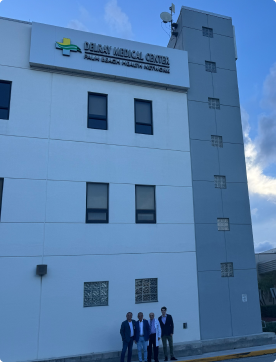
Plastic Surgery Trauma Associates provides hospital-based reconstruction for complex hand, nerve, tendon, crush, amputation, and soft tissue injuries within a Level I trauma-center environment.
When to Request Consultation
Professional referral may be appropriate for:
- Traumatic amputation
- Partial amputation
- Replantation evaluation
- Mangled hand injury
- Crush or avulsion injury
- Combined tendon and nerve injury
- Segmental nerve loss
- Exposed bone or hardware
- Complex fingertip or digital injury
- Failed prior hand repair
- Persistent functional deficit after trauma
- Postoperative wound breakdown after hand surgery
- Industrial or workers’ compensation hand trauma
- Complex hand injury requiring staged reconstruction
Early consultation preserves reconstructive options.
Delay narrows them.
Professional Referral
SouthFloridaHandTrauma.com is a focused educational and referral landing page maintained by Plastic Surgery Trauma Associates.
For professional referral, hand trauma consultation, nerve injury evaluation, or complex reconstruction review:
For urgent hospital transfer or trauma-system escalation:
Tenet Transfer Center
Available 24/7
For full trauma reconstruction program information, visit reconstructivetrauma.com.
FAQ
Catastrophic hand trauma involves combined injury to structures such as tendon, nerve, bone, joint, blood supply, and soft tissue. These injuries threaten hand function and often require staged reconstruction.
Plastic surgery may be needed when a hand injury involves soft tissue loss, tendon injury, nerve injury, exposed bone, amputation, crush injury, avulsion injury, or failed prior repair.
Traumatic hand or digit amputation requires immediate trauma-system evaluation. Replantation depends on ischemia time, injury mechanism, contamination, patient condition, and expected functional benefit.
Nerve injuries affect sensation, motor function, protective feedback, and long-term use of the hand. Early recognition helps determine whether direct repair, grafting, or staged nerve reconstruction is appropriate.
Not usually. Severe hand trauma requires structural planning for motion, sensation, stability, durable coverage, and rehabilitation. A closed wound does not necessarily mean a functional hand.
Hand therapy protects repairs, preserves tendon glide, reduces stiffness, restores motion, supports sensory recovery, and helps convert reconstruction into usable function.